Retro Abstract Christmas Tree Clipart
As someone who has spent years turning digital files into stitched reality, I approach every new design with a mix of excitement and skepticism. When I first opened Retro Abstract Christmas Tree Clipart, my initial reaction wasn't about the festive cheer, but rather how this specific visual personality would translate from a screen to a needle and thread. In the world of handmade goods and boutique branding, the difference between a design that looks "okay" and one that sells is often in the details—how the lines flow, how the shapes hold up under tension, and whether the aesthetic feels timeless or fleeting.
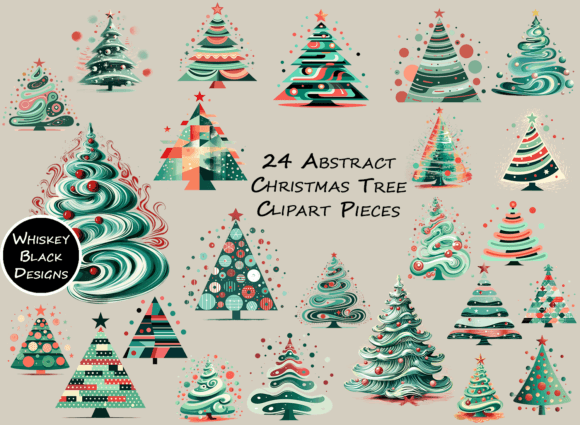
This piece isn't your typical photorealistic pine tree with perfect needles. It embraces an abstract, geometric style that screams mid-century modern vibes. For the embroidery designer looking to create something distinct for their Etsy shop or craft fair booth, Retro Abstract Christmas Tree Clipart offers a refreshing departure from the crowded market of traditional holiday motifs. The mood it creates is cozy yet sophisticated, suggesting a project that belongs on a high-quality linen tea towel, a structured canvas tote bag, or a soft baby onesie where bold shapes are appreciated over intricate realism.
Real-World Application: From Screen to Stitch
Let's imagine a real scenario. You are preparing for the holiday rush and need to produce a line of custom embroidered sweatshirts for a local boutique client. The client wants something that stands out without being overly kitschy. They want a design that feels curated, not mass-produced. This is exactly where Retro Abstract Christmas Tree Clipart shines. The clean, angular lines of the abstract tree cut through the noise of standard holiday designs.
In a practical sense, this design translates beautifully to larger formats like aprons and pillow covers. The abstract nature means there are fewer tiny, fragile points that could snag or unravel during the washing process. When you stitch this onto a thick cotton twill for a work apron, the fill stitches create a solid, textured look that mimics the retro graphic print style. However, if you were to attempt this on a stretchy jersey fabric for a t-shirt, you would need to be very careful. The geometric angles might distort if the stabilizer isn't robust enough to counteract the fabric's movement under the hoop.
I also tested the concept mentally on a baby item. The simplicity of the shape is perfect for nursery decor or a baby blanket. Parents often prefer designs that aren't too cluttered or overwhelming. A monochromatic version of Retro Abstract Christmas Tree Clipart stitched in cream thread on a navy background would offer a subtle, elegant touch that fits perfectly into a modern nursery theme. It avoids the potential "loudness" of multi-colored, detailed trees, making it a safer bet for delicate skin and sensitive eyes.
Navigating Technical Challenges and Fabric Choices
While the aesthetic appeal is strong, a professional review must address the technical realities of machine embroidery. Not every surface is created equal, and Retro Abstract Christmas Tree Clipart requires specific considerations depending on where you plan to use it. If you are working with small hoop sizes, such as those used for caps or patches, the abstract geometry can become tricky. The sharp corners of the design need to be resolved carefully; otherwise, they may appear rounded or lost in the stitching.
Textured fabrics present another hurdle. If you are embroidering this onto a rough burlap or a heavily woven basket-weave material, the definition of the abstract lines might get lost. The design relies on clear contrast between the stitches and the background. On thin fabrics, like a lightweight muslin or a sheer curtain, the density of the fill stitches required to make the tree pop could cause puckering. In these cases, a tear-away stabilizer might not be sufficient; you might need a water-soluble top stabilizer to ensure the design sits flat and crisp.
Dark fabrics add a layer of complexity. To make the colors of Retro Abstract Christmas Tree Clipart stand out against a black or deep charcoal shirt, you will likely need a high-density underlay. Without this, the bright threads might sink into the dark weave, resulting in a muddy appearance. Conversely, on light backgrounds, the design needs to be balanced so it doesn't look too sparse. The key is finding the right thread color palette that complements the retro vibe while maintaining visibility.
Strategic Use Cases for Design Assets
For the creative entrepreneur, understanding where this design fits best is crucial for maximizing product value. Retro Abstract Christmas Tree Clipart is ideal for creating a cohesive brand identity. Imagine a set of matching items: a tote bag, a kitchen towel, and a patch all featuring variations of this same abstract tree. The consistency builds trust with customers who recognize the style immediately. It elevates the perceived quality of the finished product, making a simple gift feel more intentional and professionally designed.
However, there are areas where caution is advised. Highly detailed corners or tiny lettering, if added to this file, should be scrutinized. The abstract style works best when it remains bold and open. Attempting to cram too much detail into the negative space of the tree can lead to a messy stitch-out that frustrates both the maker and the end user. Similarly, for products that require frequent washing, like work uniforms or children's clothing, you must ensure the stitch density is high enough to withstand friction without fraying.
When considering commercial embroidery projects, the versatility of this design is a major asset. It bridges the gap between a simple hobbyist craft and a high-end boutique product. Whether you are selling digital embroidery files or physical goods, the retro aesthetic appeals to a wide demographic that values nostalgia mixed with modern minimalism. It works well for holiday gifts, wedding favors, or even seasonal home decor updates.
Practical Designer Notes for Success
Before you commit to running a full production batch, there are essential steps any experienced designer takes. First, always test the design on scrap fabric that matches your final material. This allows you to see how the Retro Abstract Christmas Tree Clipart behaves under tension and how the thread colors interact with the specific weave of your chosen cloth. Check the thread color contrast thoroughly; sometimes a color that looks great on a monitor appears dull once stitched.
Review the stitch density settings in your software. If the file is new, verify if the density is appropriate for the size of the design. Dense areas might need to be adjusted to prevent needle breakage or fabric distortion. Confirm your hoop size before starting; if the design is large, ensure your machine can accommodate it without requiring a re-hoop that misaligns the image. Inspect small details closely after the first run. Are the corners sharp? Is the satin stitch smooth, or does it show gaps?
It is also wise to test the design in black and white mockups. This helps visualize the silhouette and ensures the shape holds up even without color. Compare light and dark fabric backgrounds to determine which offers the best presentation for your target audience. Use proper stabilizer for the specific fabric weight; what works for denim won't work for silk. Finally, check whether the design works for both personal and commercial projects. Licensing terms vary, and you must confirm you have the rights to sell finished items made with Retro Abstract Christmas Tree Clipart before listing them on Etsy or other platforms.
In conclusion, Retro Abstract Christmas Tree Clipart is a versatile and stylish choice for the discerning embroidery designer. It brings a unique flair to holiday collections and everyday accessories alike. By approaching it with technical care and strategic planning, you can transform this digital illustration into a tangible, high-value product that resonates with customers and strengthens your brand. Happy stitching!